
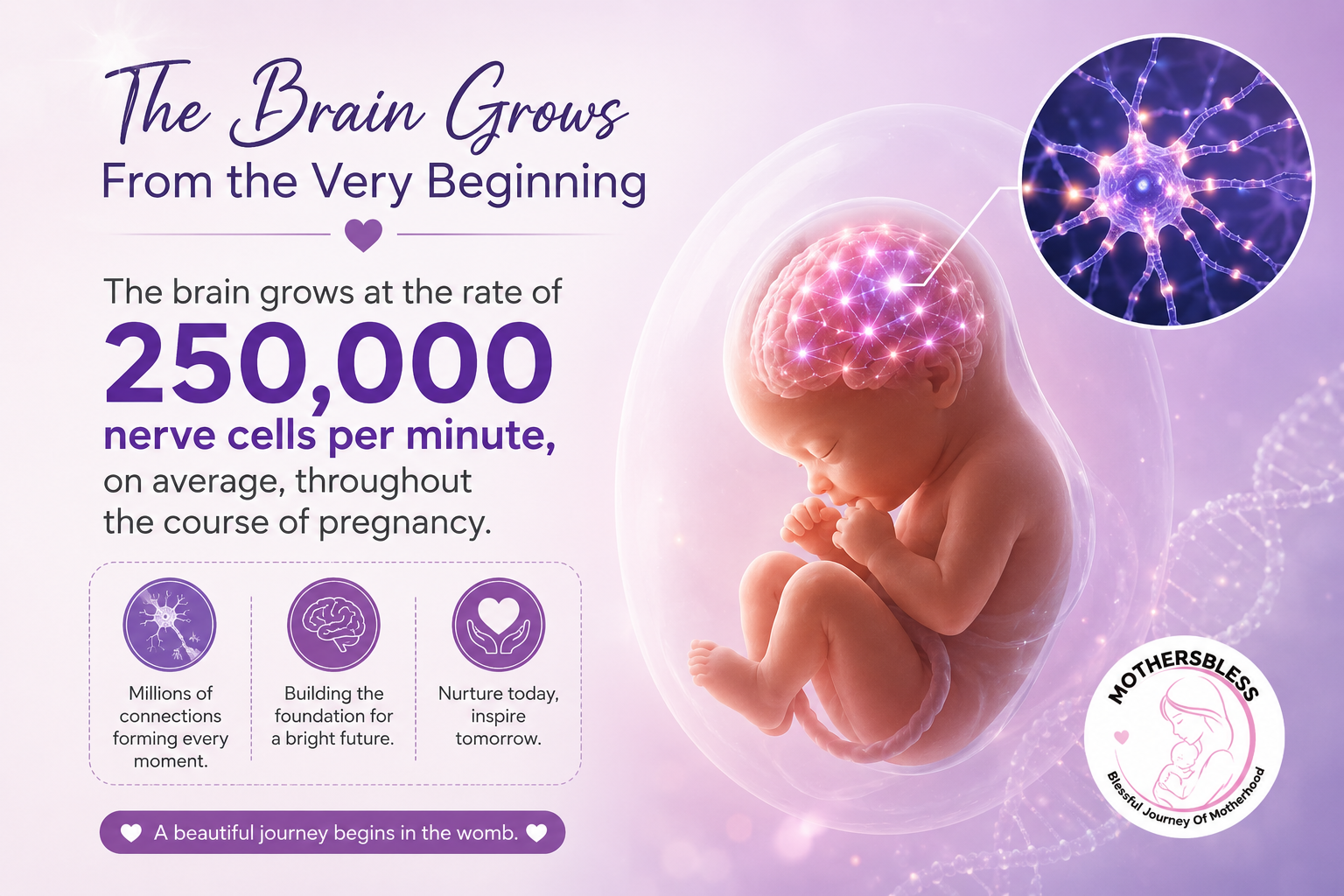
### Research Title: **"The Developing Brain: Growth of Approximately 250,000 Nerve Cells per Minute During Pregnancy"** ### Description: Pregnancy is a remarkable period of human development, especially for the baby's brain. Scientific studies show that during fetal development, the brain forms new nerve cells (neurons) at an extraordinary rate. On average, approximately **250,000 neurons are generated every minute** during key stages of pregnancy. These neurons form the foundation of the baby's nervous system and are responsible for future learning, memory, emotions, movement, and sensory functions. As pregnancy progresses, these billions of neurons connect with one another to create complex neural networks. Proper maternal nutrition, adequate rest, stress management, and a healthy environment play important roles in supporting optimal brain development. This rapid growth highlights the importance of prenatal care and maternal well-being in shaping a child's future cognitive and emotional health. **Key Fact:** By birth, the baby's brain contains billions of neurons that have developed and organized themselves into the basic framework needed for lifelong growth and learning.
Read Research
Research suggests that babies can hear sounds from outside the womb during the later stages of pregnancy, particularly from around 24–28 weeks of gestation. Studies have found that when pregnant mothers regularly listen to calming music, the developing baby may become familiar with these sounds. After birth, newborns often show signs of recognizing music they were exposed to in the womb, such as increased attention, calmer behaviour, changes in heart rate, or reduced crying. Music exposure during pregnancy may also help create a relaxing environment for the mother, which can indirectly benefit the baby by reducing maternal stress and promoting emotional well-being. While music does not guarantee specific abilities or outcomes, research indicates that prenatal sound experiences can influence early neonatal responses and behaviour.
Read Research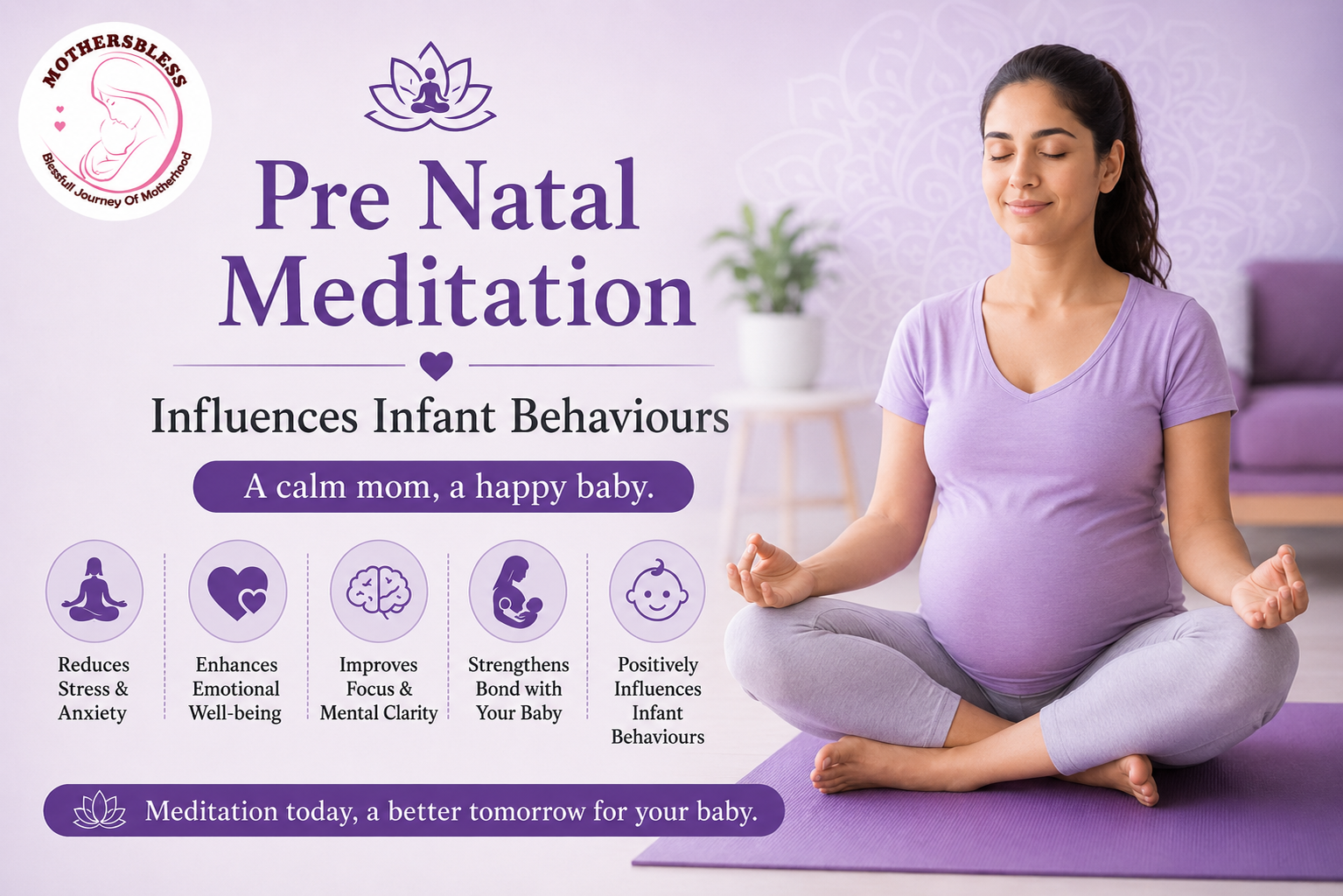
Research suggests that meditation during pregnancy may have positive effects on both maternal well-being and infant behaviour. Prenatal meditation helps mothers reduce stress, anxiety, and emotional tension, creating a calmer and healthier environment for the developing baby. Since the mother's emotional state can influence the baby's development, regular meditation may support healthy fetal growth and nervous system development. Studies have observed that babies born to mothers who practiced relaxation techniques, mindfulness, or meditation during pregnancy may show calmer behaviour, improved self-soothing abilities, better sleep patterns, and more positive responses to their surroundings. While many factors contribute to infant behaviour, prenatal meditation is considered a beneficial practice that may support emotional and neurological development.
Read Research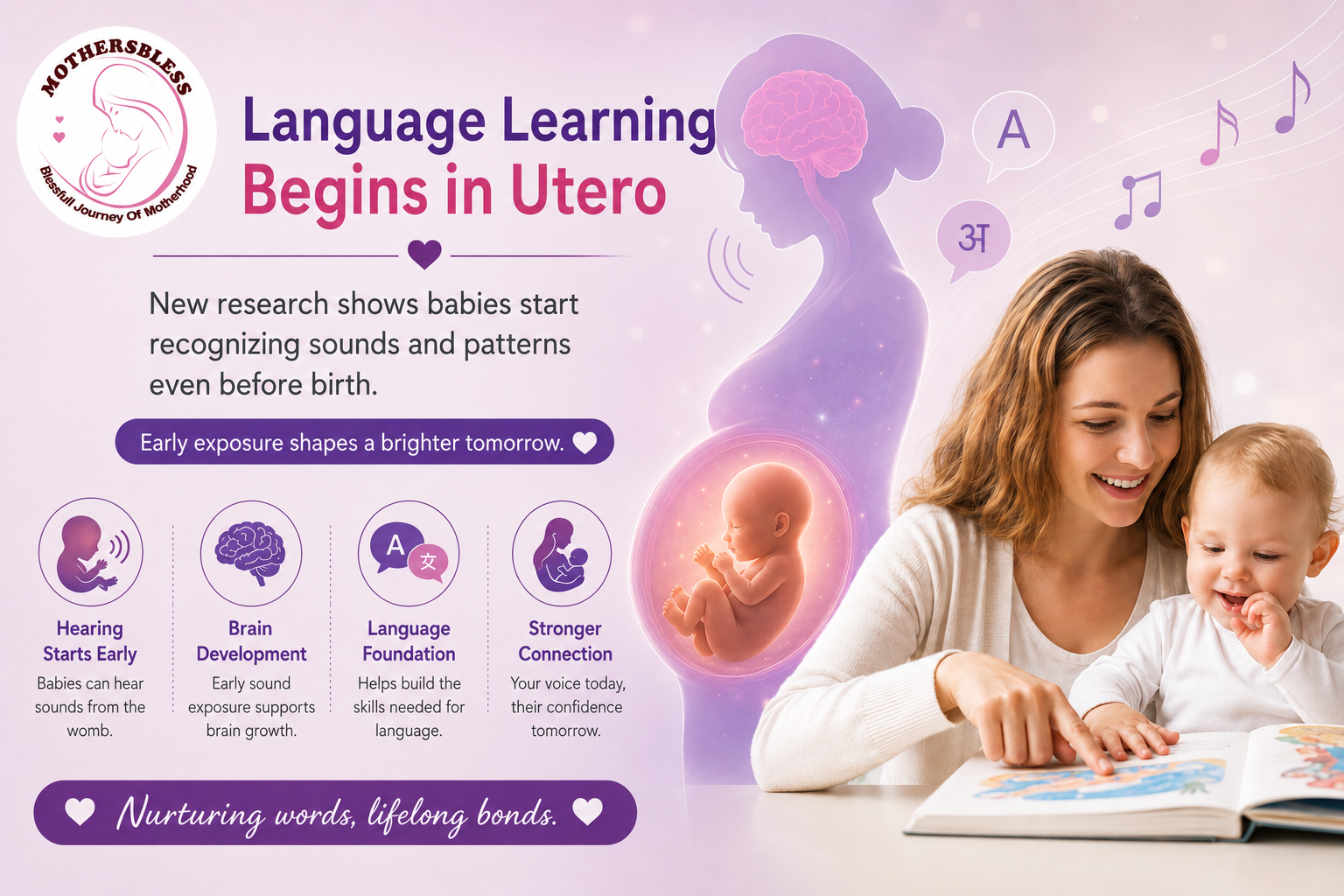
Research has shown that language learning may begin before birth. During the last trimester of pregnancy, the developing baby's auditory system becomes mature enough to hear and process sounds from the outside world, including the mother's voice, speech patterns, and the rhythm of language. Studies have found that newborn babies can recognize and show a preference for the language they frequently heard while in the womb. Although babies do not understand words before birth, they can learn the melody, rhythm, and sound patterns of speech. This early exposure helps prepare the brain for language development after birth. The mother's voice is especially important because it is heard consistently throughout pregnancy and plays a key role in early bonding and communication.
Read Research
Research suggests that Garbh Sanskar practices and prenatal yoga can help reduce stress and promote emotional well-being during pregnancy. Garbh Sanskar includes positive thinking, meditation, music, relaxation techniques, and mother-baby bonding activities, while prenatal yoga combines gentle physical exercises, breathing techniques, and mindfulness practices. These approaches may help expectant mothers manage anxiety, improve relaxation, enhance sleep quality, and maintain a positive emotional state throughout pregnancy. Reduced maternal stress can contribute to a healthier pregnancy experience and may support better outcomes for both mother and baby during pregnancy and childbirth.
Read Research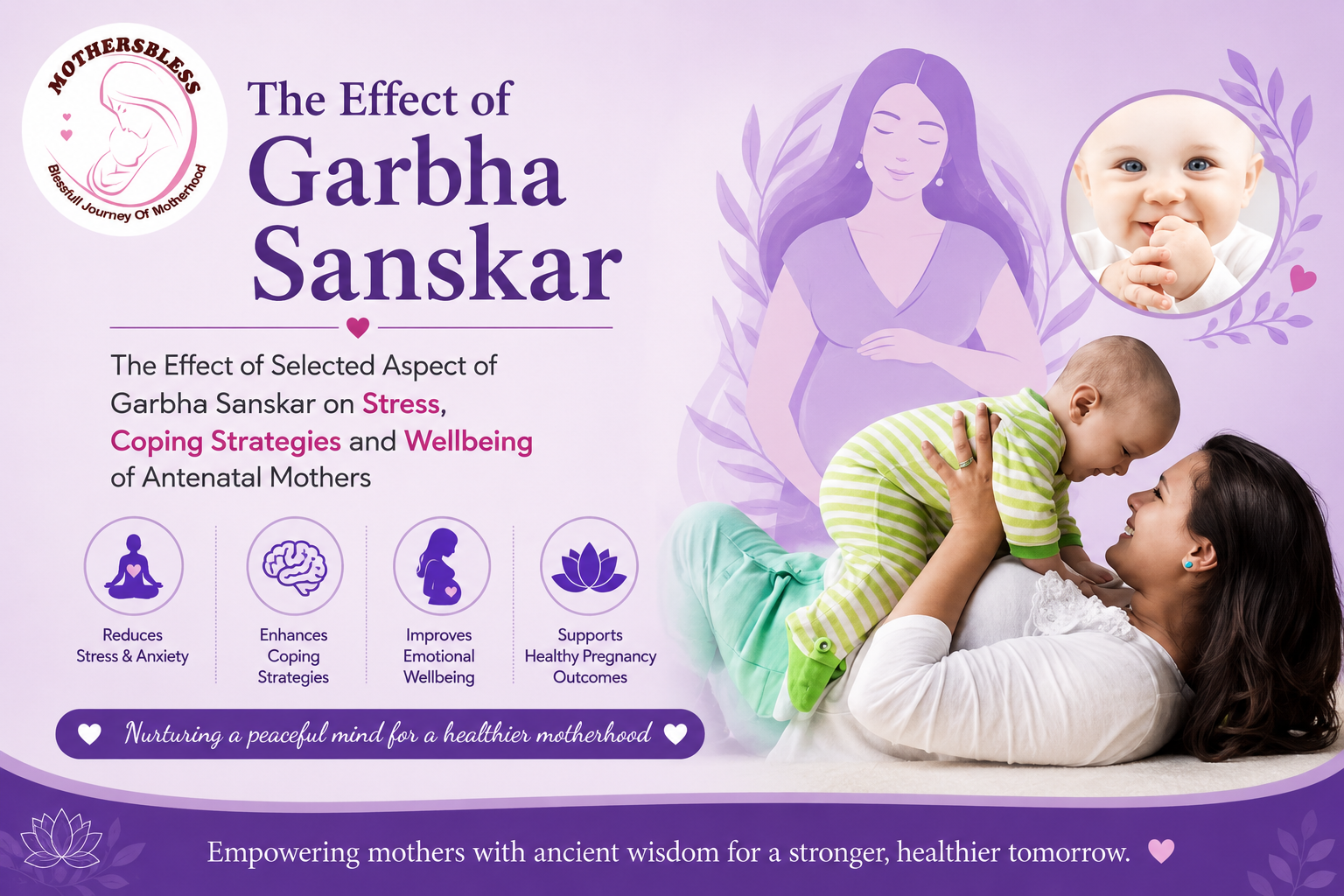
This research explores how selected Garbha Sanskar practices influence stress levels, coping abilities, and overall well-being among pregnant women. Garbha Sanskar includes activities such as meditation, positive affirmations, mantra chanting, music therapy, mindfulness, and mother-baby bonding practices. These techniques aim to create a calm and positive environment for both the mother and the developing baby. The study suggests that regular participation in Garbha Sanskar practices may help expectant mothers manage stress more effectively, develop healthier coping strategies, improve emotional balance, and enhance their overall sense of well-being during pregnancy. By promoting relaxation and positive thinking, Garbha Sanskar may contribute to a healthier and more fulfilling pregnancy journey.
Read Research